

|
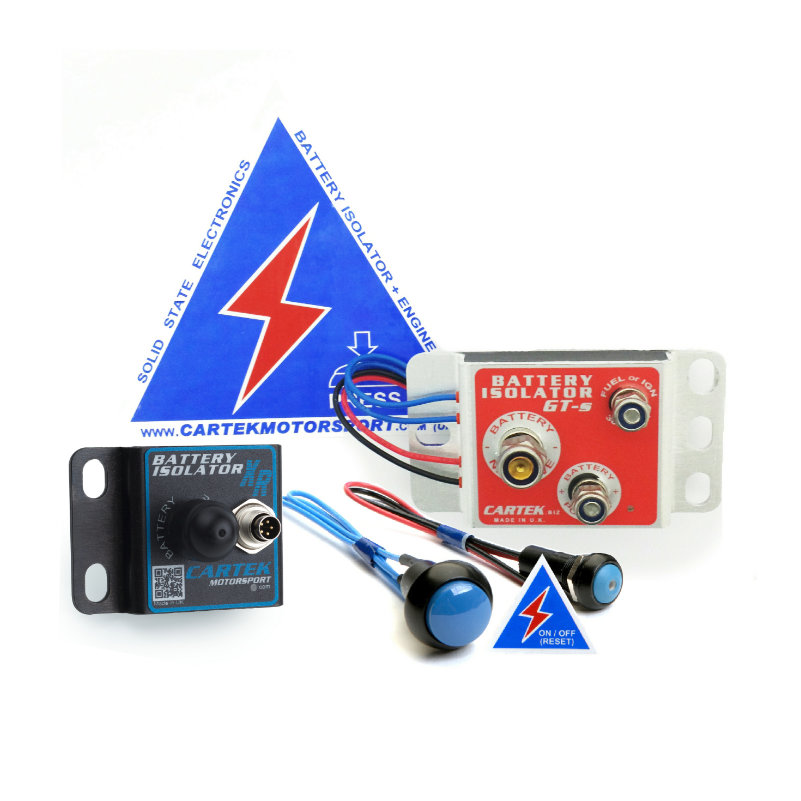
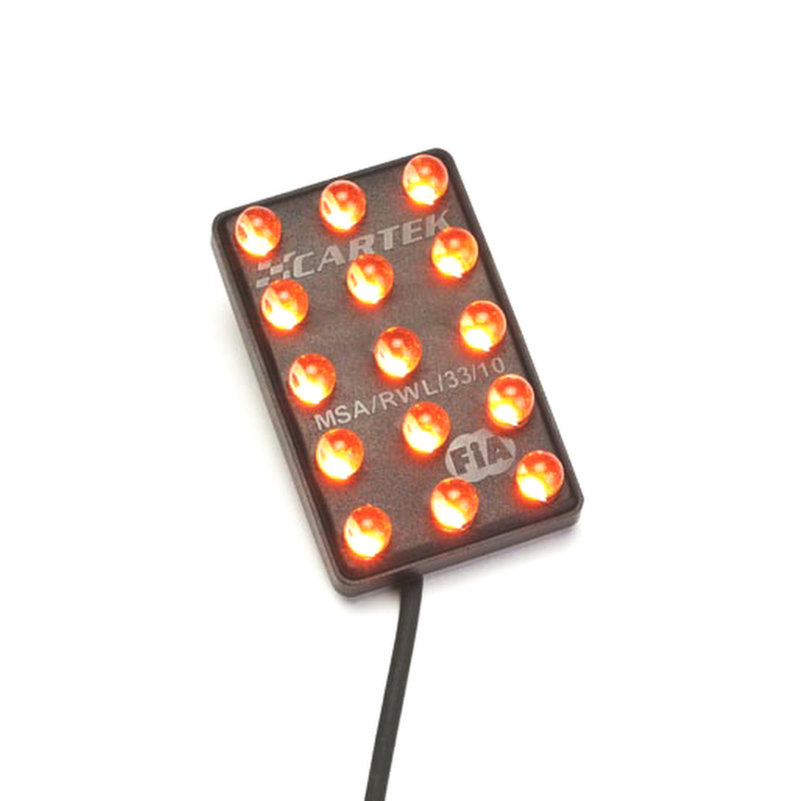
Is the Isolator FIA approved? Unlike race seats, harnesses and fire extinguishers the FIA does not have an approval procedure for Master Switches. However, most FIA race and rally championships require cars to be fitted with a spark-proof master switch to cut off all electrical circuits and stop the engine. The Cartek Battery Isolator meets these requirements.
How does it work? The Solid State Isolator contains two isolation circuits. The first breaks the connection between the negative side of the vehicle’s battery from chassis/earth, thereby isolating the battery power, while the second cuts power to the engine electrics and thereby stops the engine from running.
Why Solid State? Solid State means no moving parts, all power switching is fully electronic. Early types of electrical isolation were by large mechanical master-switches while more modern systems have utilised electro-mechanical solenoids. Both of these types of systems contain mechanical electrical contacts which, due to the combination of high electrical current and the shocks and vibration of the race car environment, sparking between the contacts occurs which results in contact erosion and eventual unreliability. This Solid State Isolator is also filled with a hard setting resin which prevents any ingress of dust, dirt or water therefore further increasing its strength and reliability.
How is it controlled? The two electronic isolation circuits are controlled by microprocessors and incorporate various safety systems including over-temperature and over-current monitoring. These microprocessors also monitor the kill switches/buttons for instant activation without false triggering. The unit will instantly trigger into isolation mode when any of the kill buttons are struck or on detection of any fault or break in switch wiring circuits.
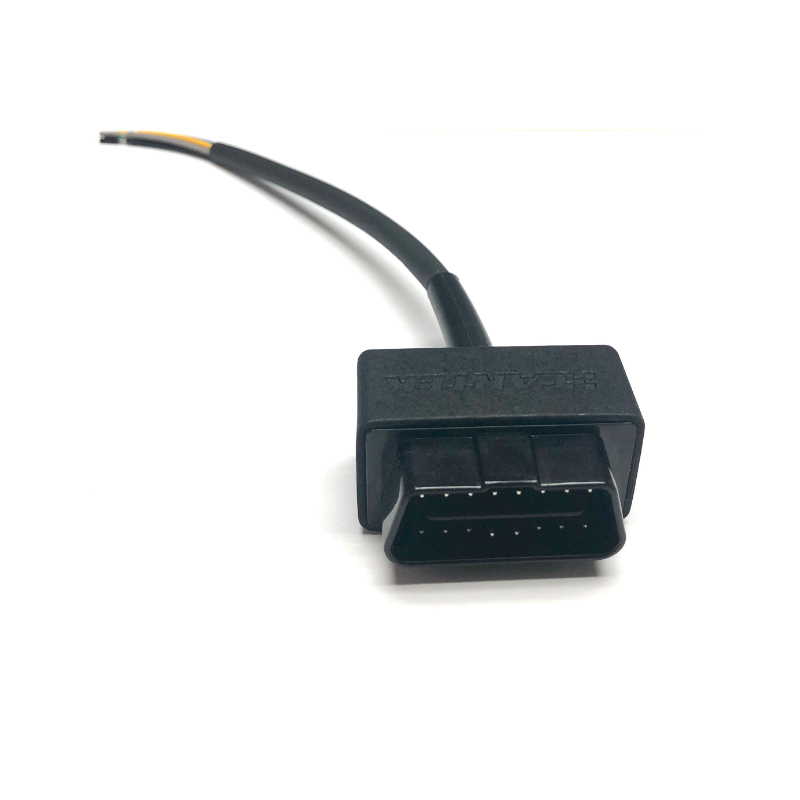
How is it operated? The Isolator can be controlled by any number of switches although the usual configuration is one internal on-off switch and one external kill button. All switches/push-buttons are connected to the Isolator via a 4-way plug and low voltage wiring. If required, multiple kill switches/devices can be incorporated, alternatively the system can be configured to be operated by a single on-off switch/pushbutton. The Isolator will also automatically trip into isolation mode if any wire connection becomes broken due to fatigue or accident.
How should the Isolator be mounted? The Isolator unit should be mounted close to the vehicle's battery and directly onto the vehicle's metal chassis/body using un-painted bolts. As the power from the vehicle's battery is conducted to chassis/earth via the base plate of the Isolator then care and attention should be taken when mounting. If the Isolator can not be mounted directly to the main chassis then a suitable earth cable can be connected between the Isolator mounting plate and the vehicle’s chassis or engine.
Which Isolator Standard or GT? The Standard Isolator is suitable for Group N race and rally applications as well as any race vehicle which a production based engine. For large capacity engines such as V8s or very highly tuned raced engines which may be difficult to restart when hot we recommend the GT Isolator.
|